Developing an interventional medical device is rarely a linear process. Clinical concepts evolve, physician feedback reshapes priorities, and engineering teams must continually balance performance, manufacturability, regulatory requirements, and commercialization goals. At the same time, early-stage companies face pressure to demonstrate progress to investors while advancing intellectual property and reducing technical risk.
Accelerating development is not simply about working faster. It requires making better engineering decisions earlier, rapidly validating ideas through functional prototypes, and maintaining enough flexibility to adapt as new information emerges.
VivaCath faced these same challenges as it worked to transform an innovative clinical concept into a functional medical device. Rather than waiting for every requirement to become fully defined, the company partnered with the engineering team now part of Resonetics to accelerate development through close engineering collaboration, rapid prototyping, and continuous iteration while reducing downstream risk.
“From the very first conversations, the engineering team [now part of Resonetics] made us feel welcome. They were open, transparent, and willing to really show us their capabilities and technologies, which made it easy to see the potential for a strong partnership.” Mike Mirizzi, a seasoned R&D executive at VivaCath.
How Do You Turn Evolving Clinical Ideas into Functional Medical Devices?
One of the greatest challenges in early-stage medical device development is translating physician insight into designs that can actually be built and evaluated. Physicians naturally focus on clinical outcomes and procedural workflows, while engineers must determine how those ideas can be transformed into manufacturable devices.
For VivaCath, physician input arrived continuously, often reshaping the direction of the design. Rather than forcing premature specifications, engineers built an iterative development process that allowed ideas to be explored, tested, and refined through successive prototype cycles.
As Mirizzi explains:
“Our physician has a lot of ideas, and they come fast. The team [now part of Resonetics] has been really good at listening to all of them, then distilling that input into something that can actually be built and tested.”
The value wasn’t simply producing prototypes quickly. It was combining rapid iteration with the engineering judgment needed to convert evolving clinical concepts into practical solutions.
Early-Stage Development Challenges and How to Turn Them into Opportunities
| Challenges | How the Resonetics Team Responded |
| Physician requirements evolved continuously | Rapid design iterations incorporated clinical feedback. |
| Concepts needed to become functional devices | Engineering translated ideas into manufacturable prototypes. |
| Development timelines remained compressed | Continuous prototyping accelerated learning. |
| Funding milestones required tangible progress | Functional prototypes demonstrated measurable advancement. |
Why Does Engineering Judgment Matter as Much as Prototype Speed?
Speed alone rarely determines the success of a development program.
The real advantage comes from shortening the time between learning cycles while ensuring every iteration moves the design in the right direction.
Each medical device prototype answered one question while raising another. Clinicians evaluated devices under realistic conditions, engineers interpreted the feedback, and design improvements followed quickly. Instead of debating theoretical concepts, the team made decisions using tangible devices and real-world observations.
As Mirizzi noted:
“The engineers [now part of Resonetics] were experienced enough to say, ‘We can’t do it exactly like that, but here’s a solution that will work.'”
That ability to balance clinical intent with engineering practicality became one of the defining characteristics of the collaboration.
How Can Rapid Prototyping Accelerate Funding and Product Development?
Rapid prototyping does far more than validate engineering concepts.
For early-stage medical device companies, prototypes help communicate ideas to investors, strengthen intellectual property, gather meaningful physician feedback, and demonstrate measurable progress toward commercialization.
As Mirizzi of VivaCath indicates, these benefits extended well beyond the engineering team.
“Being able to dream something up and then have it in your hands fairly quickly has been critical for us, especially when raising capital and filing intellectual property.”
Instead of describing future possibilities, the company could demonstrate tangible progress through functional devices. The project required rapid design iteration and close collaboration between the customer’s team and the prototyping engineers to quickly evaluate and refine concepts.
Why Rapid Prototyping Matters
| Business Outcome | Development Benefit |
| Faster funding milestones | Demonstrates tangible progress to investors |
| Stronger intellectual property | Ideas become functional devices sooner |
| Better clinician feedback | Evaluate real devices instead of concepts |
| Reduced development risk | Identify issues earlier when changes are less costly |
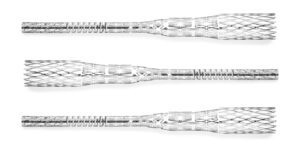
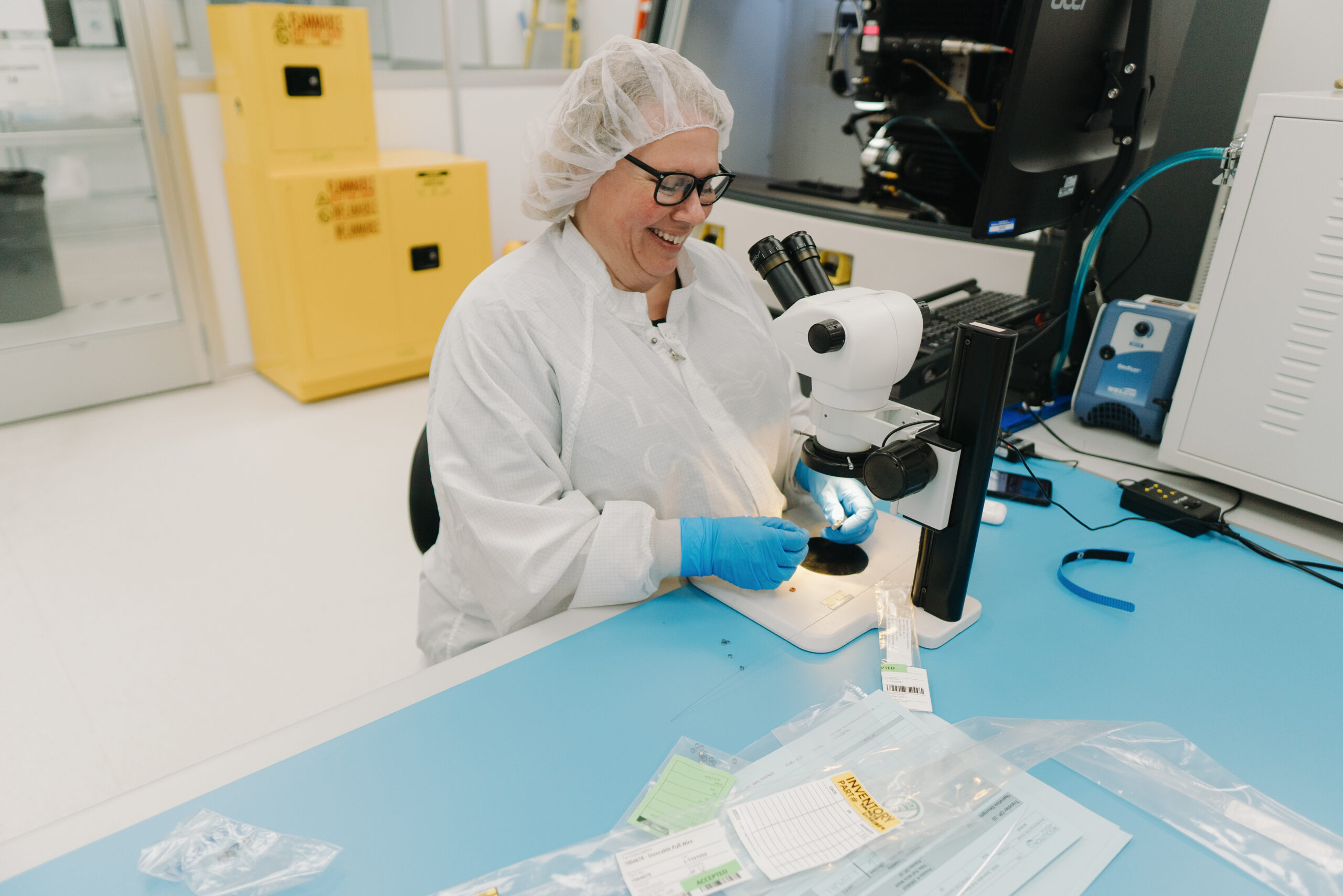
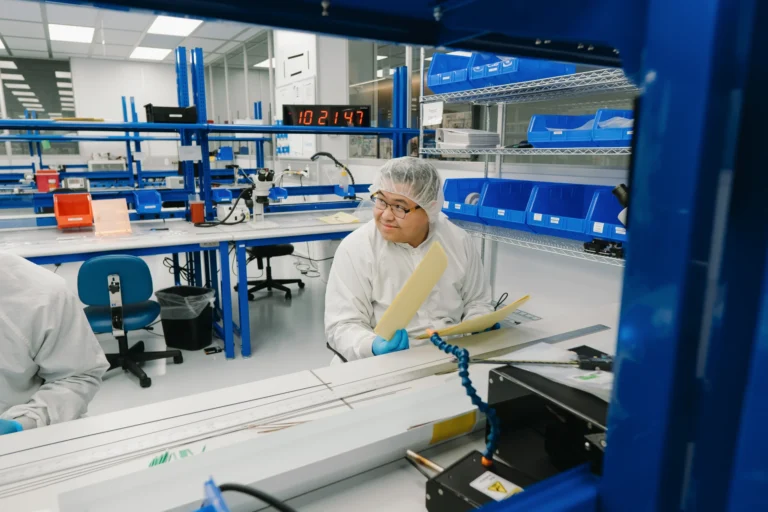
Today, Resonetics expands upon this approach through Lightspeed Lab®, Resonetics‘ dedicated rapid prototyping organization. Engineers rapidly build, evaluate, and refine prototypes, often completing multiple design iterations in a single day. Integrated with our product development team, Lightspeed Lab® helps accelerate development from concept through commercialization.
Why Do Early-Stage Companies Need More Than a Prototype Shop?
As the program matured, conversations expanded beyond building prototypes.
The engineering team continually evaluated manufacturability, material selection, cost reduction opportunities, and design simplification while preserving clinical performance.
According to Mirizzi:
“The team [now part of Resonetics] does a great job communicating options. If there’s a way to simplify a design, reduce materials, or keep prototyping costs down, they explain that clearly so we can make informed decisions.”
The value extended beyond execution. It came from helping VivaCath make informed engineering decisions throughout development.
When compatibility with other technologies became important, the team responded quickly, helping maintain momentum as the company continued advancing its program.
What Can Early-Stage Medical Device Teams Learn from VivaCath?
VivaCath’s experience reinforces several principles that consistently help accelerate development while reducing downstream risk:
- Build and evaluate prototypes early.
- Keep physicians closely engaged throughout development.
- Pair rapid iteration with experienced engineering judgment.
- Design for manufacturability from the beginning.
- Choose development partners that can support the journey from concept through commercialization.
Many of these practices also help reduce technical, manufacturing, and commercialization risk during early-stage development. For a broader discussion of risk management strategies, see Reducing Risk in Interventional Device Development: Lessons from Early-Stage Programs.
How Does an Integrated Product Development Partner Accelerate Commercialization?
VivaCath’s experience illustrates an important shift occurring across the medical device industry. Increasingly, early-stage companies are seeking integrated product development partners and Contract Development and Manufacturing Organizations (CDMOs) that can contribute far beyond engineering drawings or prototype fabrication.
The engineering team that partnered with VivaCath is now part of Resonetics, combining product design and development, rapid prototyping, testing, manufacturing expertise, and commercialization support within one integrated team.
This model helps customers reduce project handoffs, accelerate engineering decisions, and design with manufacturing, quality, and scalability in mind from the earliest stages of development. Whether selecting advanced materials such as nitinol or designing for scalable manufacturing, involving engineering and manufacturing expertise early helps reduce downstream redesign and commercialization risk. Engineers interested in material selection can explore this Introduction to Nitinol whitepaper.
Ready to Accelerate Your Next Medical Device Program?
Whether you’re developing an initial concept, preparing for your next funding milestone, or designing for commercialization, Resonetics helps transform evolving clinical concepts into manufacturable medical devices through integrated engineering, rapid prototyping, and manufacturing expertise.
→ Learn More About Resonetics product development and Lightspeed Lab® rapid prototyping