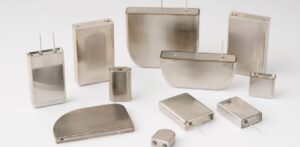
Choosing an implantable medical device battery involves far more than selecting the highest capacity option. Battery selection can influence device size, service life, reliability, patient experience, long-term clinical outcomes, and even overall development timelines.
Whether you’re developing a cardiac monitor, neurostimulator, drug delivery system, or another implantable device, understanding the fundamentals of medical battery technology can help you make smarter design decisions from the start, helping optimize device performance, improve patient outcomes, reduce development risk, and accelerate time to market.
Why Implantable Batteries Are Different
Unlike batteries used in consumer electronics, implantable batteries must perform reliably inside the human body for years.
In many cases, replacing a depleted battery requires a surgical procedure. That means battery reliability is more than a technical specification. It is a critical design consideration that can directly impact patient safety, device performance, and healthcare costs.
As implantable medical devices become smaller, more sophisticated, and expected to operate longer than ever before, developers need power solutions that deliver consistent, predictable performance throughout the life of the device.
Understanding Battery Chemistry
One of the first steps in selecting an implantable battery is determining the appropriate chemistry for your application.
Rechargeable Lithium-Ion Batteries
Rechargeable Lithium-Ion batteries are commonly used in implantable devices that require higher energy demands over extended periods. These batteries offer high energy density and long cycle life while allowing patients to recharge the device instead of undergoing more frequent replacement procedures. Rechargeable Lithium-Ion batteries are commonly used in neurostimulation systems and other higher-power implantable devices where long-term energy demands make recharging preferable to repeated surgical replacement of the implanted power source.
Primary Lithium Batteries
Primary batteries are non-rechargeable and are often selected for medical devices that require long-term operation without patient intervention. Chemistries such as Lithium Carbon Monofluoride (Li/CFx) and hybrid Li/CFx–SVO can provide exceptional longevity, low self-discharge rates, and predictable performance over many years of implanted operation. The right chemistry ultimately depends on the device’s power requirements, expected lifespan, form factor constraints, and therapeutic goals.
Key Factors to Consider When Choosing an Implantable Battery
While capacity is important, it shouldn’t be the only factor considered during battery selection.
Developers should evaluate several key characteristics, including:
- Device size and form factor constraints
- Target service life and replacement strategy
- Recharge frequency and patient usability
- Energy density and power requirements
- Battery availability and development timelines
- Long-term reliability and performance predictability
- End-of-Service performance characteristics
- Manufacturing scalability and regulatory requirements
For implantable medical applications, a battery’s performance years after implantation is just as important as its performance on day one. Understanding how a battery will behave throughout its lifecycle helps reduce development risk and supports long-term reliability.

For rechargeable implantable devices, understanding how lithium-ion cells perform across charge and discharge cycles can help developers evaluate long-term reliability beyond standard end-of-life thresholds. Download Resonetics’ Lithium Ion Cycling Charge and Discharge whitepaper for a deeper look at cycle life performance under different charging conditions.
In addition, battery availability can play an important role in development planning. Commercially available battery platforms can help engineers begin testing and prototyping sooner, reducing delays during early-stage development.
Off-the-Shelf or Custom: Which Approach Is Right for Your Device?
One of the most common questions device developers face is whether to use an existing battery platform or pursue a custom solution.
For startups, emerging medical device companies, and teams working under aggressive development timelines, immediate access to proven battery technology can significantly shorten prototyping and overall product development. In addition to custom battery design and manufacturing capabilities, Resonetics offers off-the-shelf battery platforms that can help customers begin development work quickly, without waiting for a fully customized solution. This allows teams to evaluate concepts, build prototypes, and reduce development risk while accelerating time to market.
Having off-the-shelf options available early in the design process helps teams validate concepts faster and make more informed system-level decisions.
However, some devices require specialized performance characteristics that standard batteries cannot provide. Factors such as ultra-small implant form factors, unique discharge profiles, high pulse-power requirements, increased capacity needs, or extended longevity goals may warrant a custom battery design.
The best solution depends on the unique needs of the device. Evaluating battery options early in development can help identify the right balance between performance, cost, risk, and speed to market.
Partnering for Long-Term Success
At Resonetics Medical Power, we focus exclusively on battery solutions for medical applications. For more than two decades, our team has supported the development of implantable medical devices using both rechargeable and primary battery technologies.
With focus exclusive to medical applications, Resonetics offers a complete array of off-the shelf or customizable cells as well as build-to-spec expertise.
By combining battery expertise with deep experience in medical device development and manufacturing, we help customers navigate critical power-related decisions from concept through commercialization.
Ready to Explore Your Options?
Every implantable device has unique power requirements, and choosing the right battery early in development can have a significant impact on performance, reliability, and development timelines.
Whether you’re looking for a commercially available, off-the-shelf battery to support rapid prototyping or a custom solution optimized for your application, Resonetics Medical Power can help. Contact our battery experts to evaluate your device’s power requirements, compare off-the-shelf and custom options, and identify the right battery strategy to support long-term performance, reliability, and innovation.