Nitinol Tubing

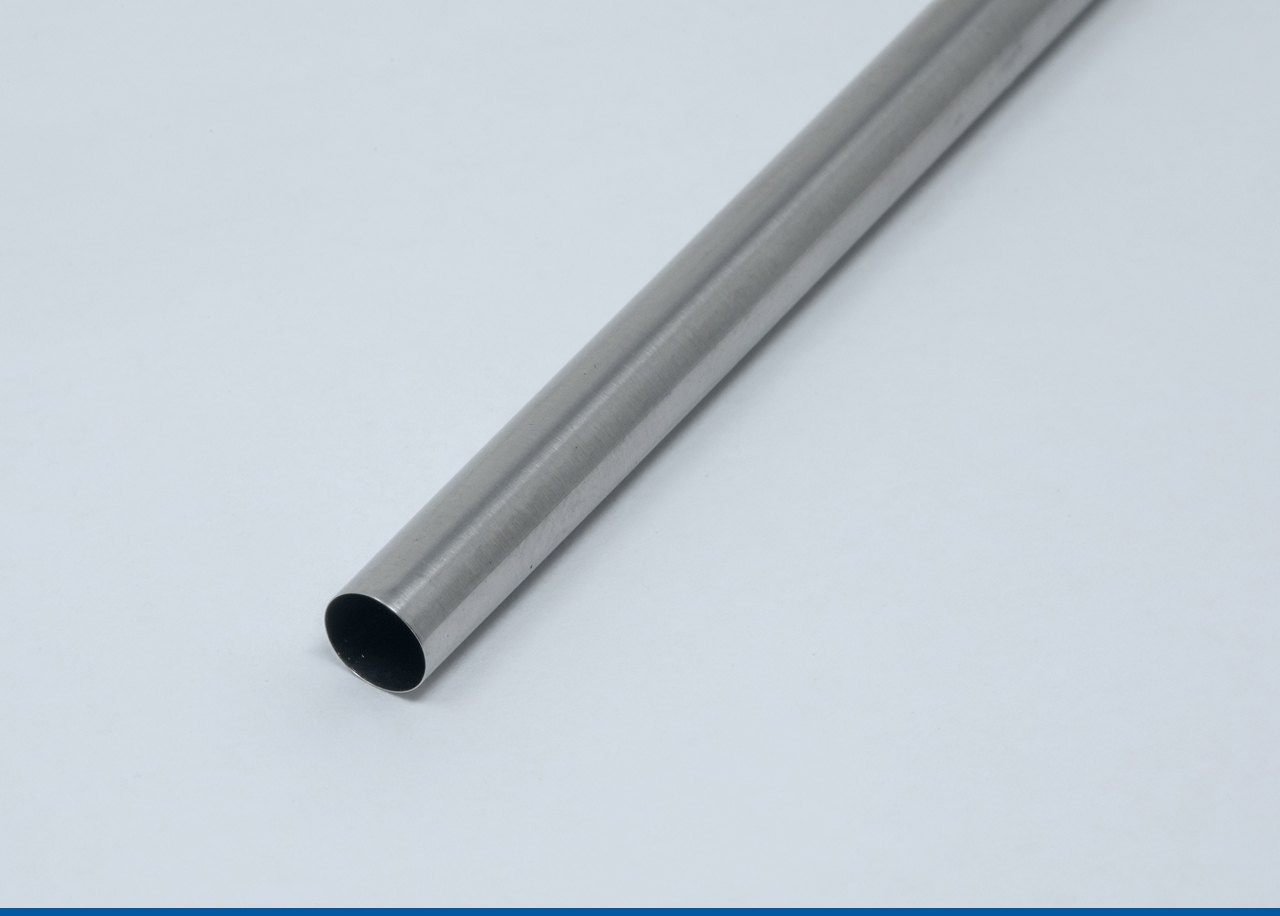
Superelastic nitinol tubing in Standard, Precision, and Premium grades, drawn in-house from nitinol we melt ourselves.

Nitinol is a nickel-titanium (NiTi) alloy whose superelasticity and shape-memory behavior depend on tight control of alloy chemistry and thermo-mechanical processing.

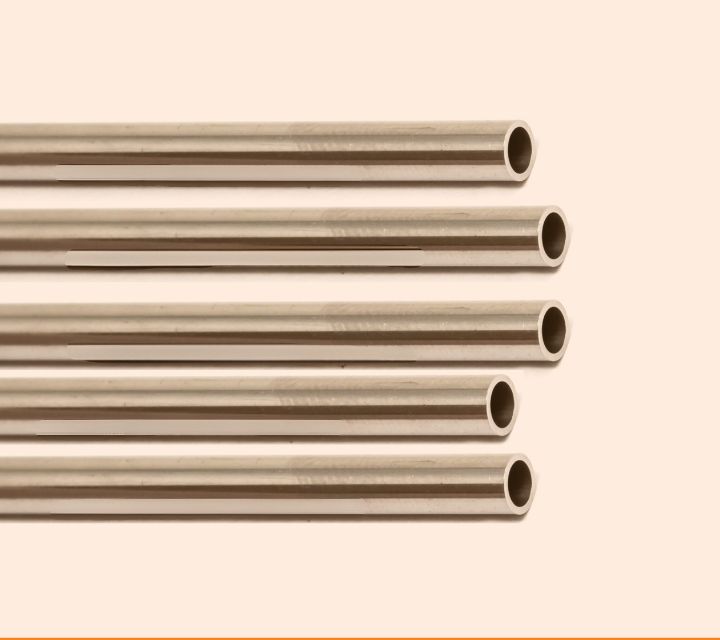
With over 30 years of experience, we melt raw nitinol, create bars, and use precision die drawing to produce 3 grades of superelastic nitinol tubing (Standard, Precision, and Premium) in a range of sizes and finishes, all in-house. Controlling the material from melt through final draw lets us hold the composition and cold-work history that govern how a tube performs once it is heat treated and shape set. From micro-scale hypotubes to large premium tubes, every tube meets the tight tolerances required. We have the right nitinol tube for your application, no matter the complexity. Read more about our tube grades below and find the right one for your project.
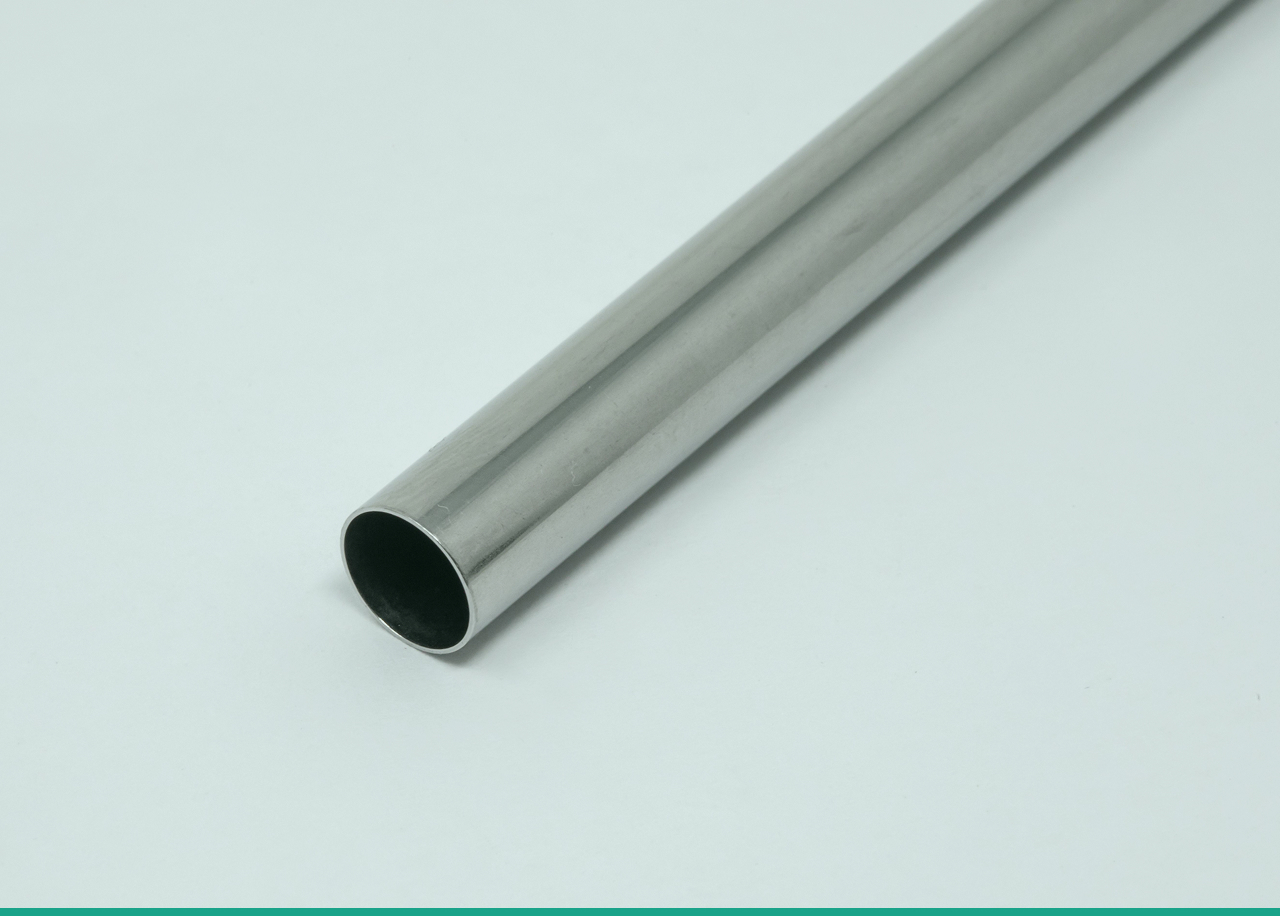
Standard

Our Standard Tubing is the market leader in nitinol solutions for grinding applications and non-contact delivery devices. Ideal for guide wires, catheters, needles, disposables, and reliable performance for sheaths and snares.

Precision

Designed for Precision applications, exceptional material consistency and connectivity for stents, cardiovascular devices, and orthopedic implants. Tailored for both temporary and some permanent implantable solutions.

Premium

Our Premium Tubing is engineered for critical implantable devices requiring superior dimensional precision, fatigue durability, and surface quality. Perfect for structural heart devices, neurovascular stents, and carotid artery devices, this tubing meets the highest industry standards.

Nitinol Tubing Grades Comparison

Tube Grade Standard Precision Premium
Catheter / Hypotube Precision / Laser Cut & Shape-set Premium / Critical Implant
OD Range 010-.065" (.254-1.65mm) .065-.197" (1.65 - 5 mm) / >.198" (>5 mm) .065-.394" (1.65 - 10 mm) >.395 (>10 mm) various, inquire
OD / ID Ratio 1.11 - 2.67 > 1.08 / > 1.08 > 1.08 / > 1.08 / < 1.08 (Thin wall)
OD Tolerance OD & ID + .0003" to .001" (10.2 µm to 25.4 µm) + .0005" (12.7 um) / + .0008 to .001" (20.3-25.4 um) + .0005" (12.7 µm) / + .0008” (20.3 µm) / Dependent on tube OD & wall
Concentricity Tolerance N/A (Spec'd OD/ID) > 90% / > 90% > 95% > 95% / Dependent on tube OD & wall
Alloy / Ingot Standard Standard Standard & Enduro®

 Resonetics is a market leader in standard nitinol tubing, specializing in catheter and hypotube solutions where superelastic flexibility and kink resistance drive component performance. It offers an outer diameter range of 0.010″–0.065″ (0.254–1.65 mm), OD/ID ratios between 1.11–2.67, and tolerances down to 10.2 μm. .

Applications:

  • Most grinding applications and parts that generally do not need to be laser cut and shape-set
  • Non-contact delivery devices
  • Guidewires
  • Catheters
  • Needles
  • Dental applications
  • Disposables
  • Sheaths
  • Snares
FeatureMetric
OD Range010-.065" (.254-1.65mm)
OD / ID Ratio1.11 - 2.67
OD ToleranceOD & ID + .0003" to .001" (10.2 µm to 25.4 µm)
Concentricity ToleranceN/A (Spec'd OD/ID)
Alloy / IngotStandard

We specialize in precision nitinol tubing for laser-cut and shape-set superelastic components, tailored for stent applications and offered in two diameter groups. The first includes outer diameters ranging from 0.065″ to 0.197″ (1.65–5 mm) with tight tolerances of ±0.0005″ (12.7 µm), ensuring superior accuracy. The other is designed for diameters exceeding 0.198″ (>5 mm) with tolerances of ±0.0008″–0.001″ (20.3–25.4 µm). Both groups deliver over 90% precision, meeting the highest standards for application-specific requirements in medical device manufacturing.

Applications:

  • Temporary and permanent implantables without high mechanical stress
  • Products that depend on consistent material performance, but do not have extremely high fatigue requirements, and can tolerate slightly lower concentricity
  • Delivery aides
  • Endografts
  • Stents
  • Filters
  • Blood clot filters
  • Orthopedic implants
  • Peripheral vascular applications
FeatureGroup 1Group 2
OD Range.065-.197" (1.65 - 5 mm)>.198" (>5 mm)
OD / ID Ratio> 1.08> 1.08
OD Tolerance+ .0005" (12.7 um)+ .0008 to .001" (20.3-25.4 um)
Concentricity Tolerance> 90%> 90%
Alloy / IngotStandardStandard

Our premium grade nitinol tubing is engineered for critical implants subjected to repeated superelastic loading, where dimensional precision and fatigue durability govern component performance. It includes thin-wall designs with OD ranges from 0.065″ to >0.198″, offering tolerances as tight as ±0.0005″ and achieving over 95% concentricity. This grade supports advanced applications with enhanced durability through Standard and Enduro material options. Enduro ingot is available across all three groups for programs with the highest fatigue requirements. 

Applications:

  • Implantable devices that require dimensional precision and fatigue durability
  • Structural heart devices
  • Neurovascular stents and stent retrievers
  • Carotid artery devices
FeatureGroup 1Group 2Group 3
OD Range.065-.197" (1.65 - 5 mm)>.198" (>5 mm)Various
OD / ID Ratio> 1.08> 1.08< 1.08 (Thin wall)
OD Tolerance+ .0005" (12.7 µm)+ .0008” (20.3 µm) Dependent on tube OD & wall
Concentricity Tolerance> 95%> 95%Dependent on tube OD & wall
Alloy / IngotStandard & Enduro®Standard & Enduro®Standard & Enduro®

Key Markets

Our superelastic nitinol tubing is used in many different market applications, including, but not limited to:

  • Cardiovascular
  • Neurovascular
  • Orthopedic
  • Ophthalmology
  • Dental
  • Urology & Endoscopy
  • Sports Medicine & Trauma
  • Industrial

BLOG

August 26, 2026

Why Battery Longevity Matters More Than Capacity in Implantable Medical Devices

When engineers evaluate a battery, it’s natural to focus on day-one performance. Higher capacity, strong power output, and impressive energy density can…

Read More

BLOG

August 18, 2026

Implantable Medical Device Batteries 101: How to Choose the Right Power Solution

Choosing an implantable medical device battery involves far more than selecting the highest capacity option. Battery selection can influence device size,…

Read More

BLOG

August 3, 2026

How to Accelerate Development of Complex Cardiac Devices: Lessons from VenstraMedical’s Next-Generation Blood Pump 

Executive Summary  Developing a catheter-based cardiac support device means balancing catheter deliverability, pump performance, anatomical interaction, manufacturability, regulatory requirements, and investor expectations…

Read More