Key takeaways
- This DeviceTalks Tuesdays webinar features Scott Robertson, VP of Nitinol Technology at Resonetics, in an interactive “office hours” style format with extensive live audience Q&A throughout.
- Resonetics directly addressed industry supply concerns following its 2023 acquisition of SAES Smart Materials (Memory Metal), stating it (at the time of this video recording) currently operates at under 50% capacity at its melt facility, plans to nearly double melt throughput in the coming year, and will continue selling nitinol to all customers, including competitors.
- Nitinol’s defining property is superelasticity, allowing 5 to 8 percent strain recovery compared to roughly 1 percent for conventional steel, and its mechanical performance is highly sensitive to small variations in nickel-to-titanium chemistry and downstream processing such as heat treatment and shape setting, which directly affect properties like crimp and deployment force, chronic outward force, and fatigue durability.
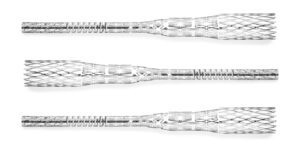
- A range of manufacturing techniques are used to convert raw nitinol into finished components, with laser cutting (favoring photonic over fiber methods to avoid heat-affected zones) serving as the industry standard; CNC machining is notably difficult and tool-intensive, while additive manufacturing remains largely experimental due to titanium’s strong affinity for oxygen, which creates problematic oxide barriers during sintering.
- Surface finishing is critical for both biocompatibility and fatigue resistance, with electropolishing considered the gold standard for implantable devices due to its smooth, fatigue-resistant finish, while pickling or etching leaves more surface texture that can aid polymer coating adhesion but offers less fatigue resistance.