Key takeaways
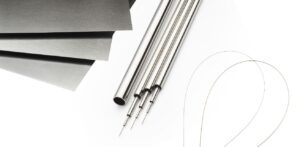
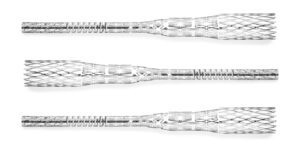
- Eric Veit, VP of Business Development for Nitinol at Resonetics, explains that Resonetics operates as a fully integrated nitinol provider, handling everything from melting raw material through finished components (“melt to market”), including both delivery devices and implantable parts like heart valves and electrophysiology components.
- Resonetics serves customers ranging from startups to large multinationals, starting in R&D and prototyping through its Lightspeed Labs group, which can turn around quotes in a day and parts in one to two weeks, then supports the transition into high-volume production using in-house-built manufacturing equipment.
- Veit positions Resonetics’ differentiation around being a “soup to nuts” partner backed by a dedicated Advanced Technology Group with deep materials science expertise down to the microstructure level, allowing them to optimize nitinol processing and part performance.
- Looking ahead, Veit identifies several growth areas for nitinol: orthopedic applications, passive and active microelectronic implantables (citing heart failure devices and sensor-and-battery-equipped neurological implants like Synchron), and eventual progress in 3D printing nitinol as the technology matures.
- Resonetics is also applying AI internally to its heat treatment processes, using historical process knowledge to build models that help engineers select optimal heat treatment parameters, which Veit compares to a tool that gets users partway there but still requires verification.